Our story · Since 1975
Fifty years
in the same valley.
01 · Origin
A loan, a plan, and a field of scrub.
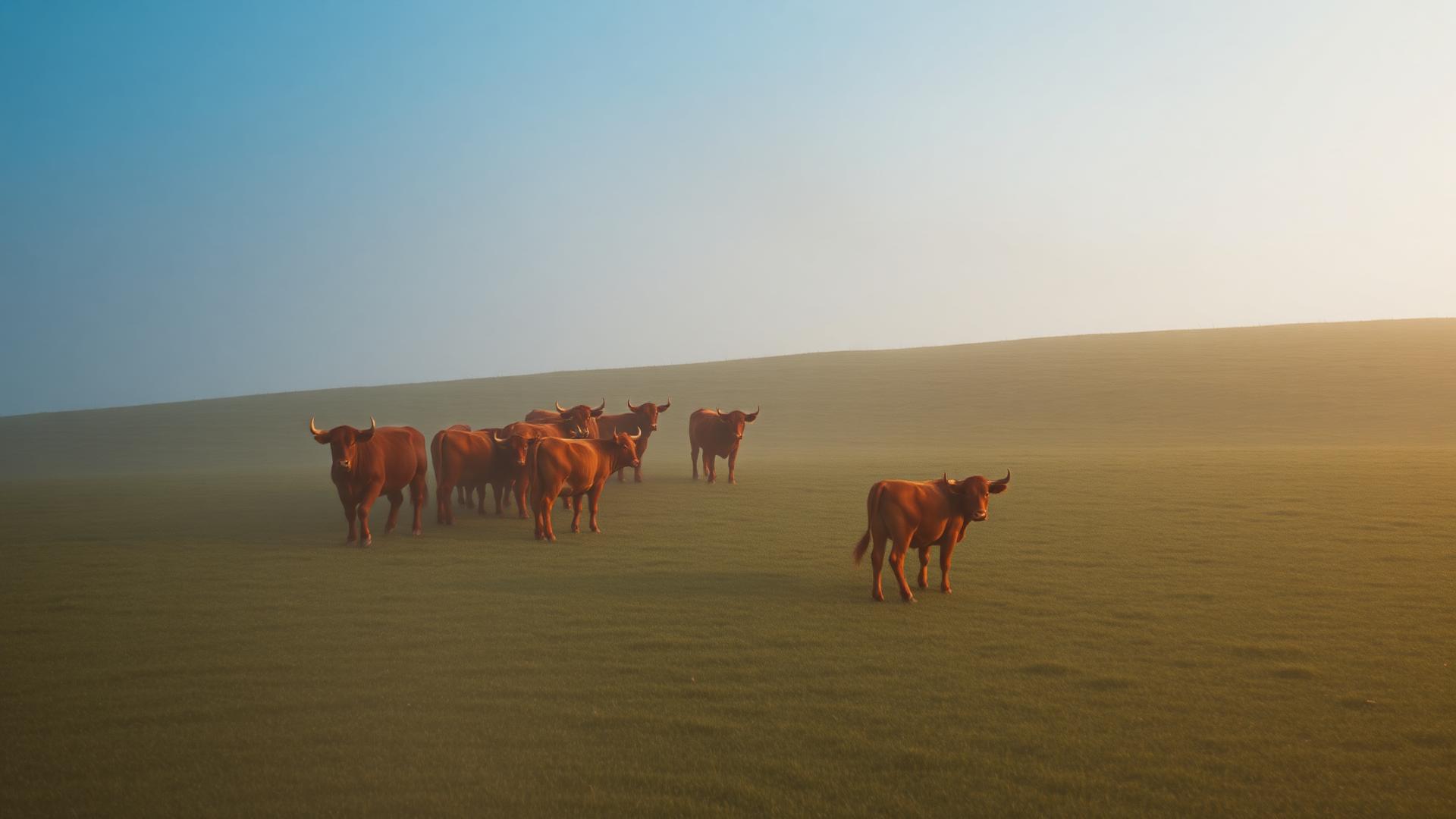
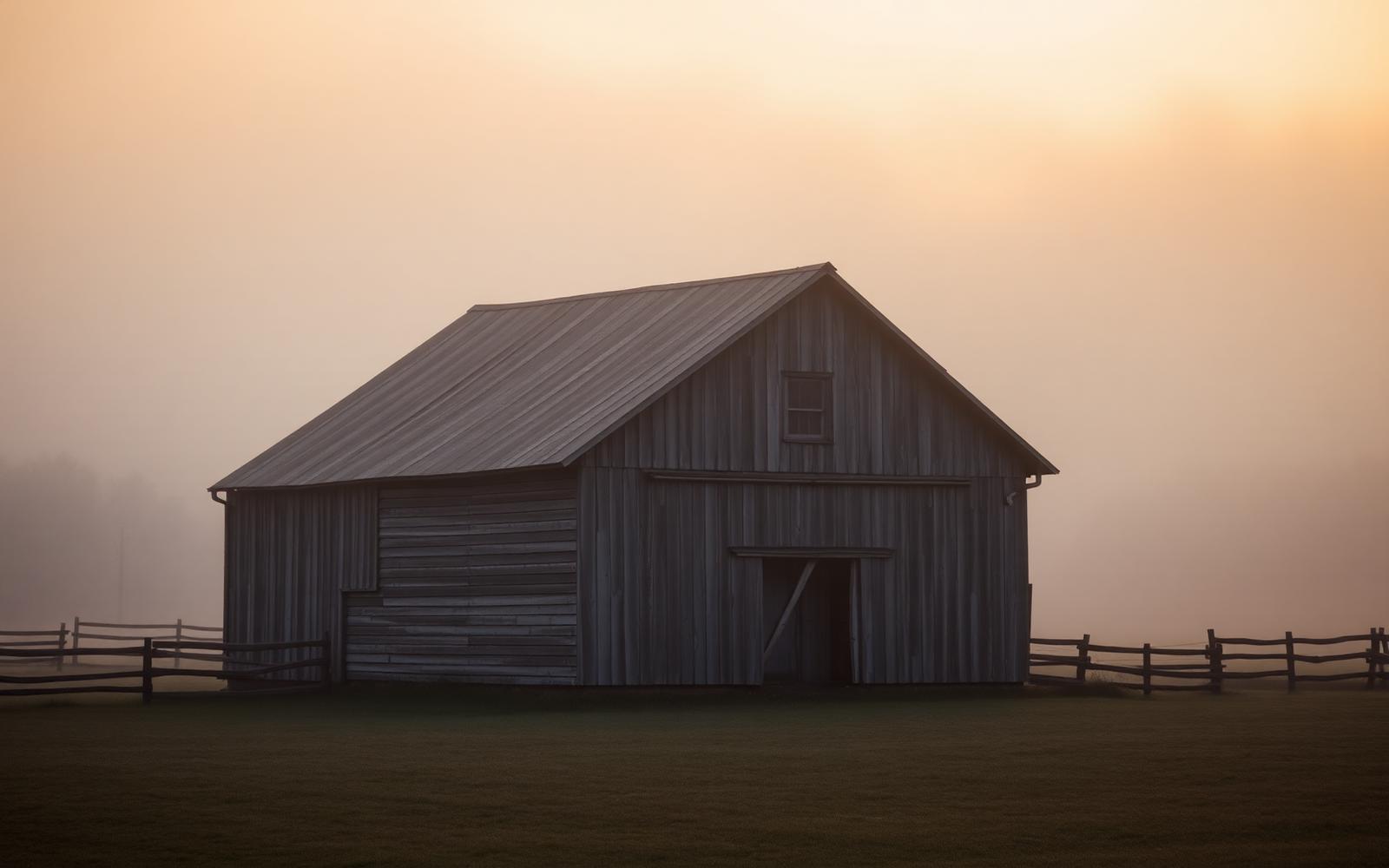
My grandfather bought this land in 1975. The pastures were overgrazed. The barn was leaning. He ran commercial black cattle because that's what everyone in the valley ran, and the math worked out just barely enough to keep going.
For twenty years the operation looked like every other operation. Then the soil started to give up.
02 · The shift
Regenerative, before it had a name.
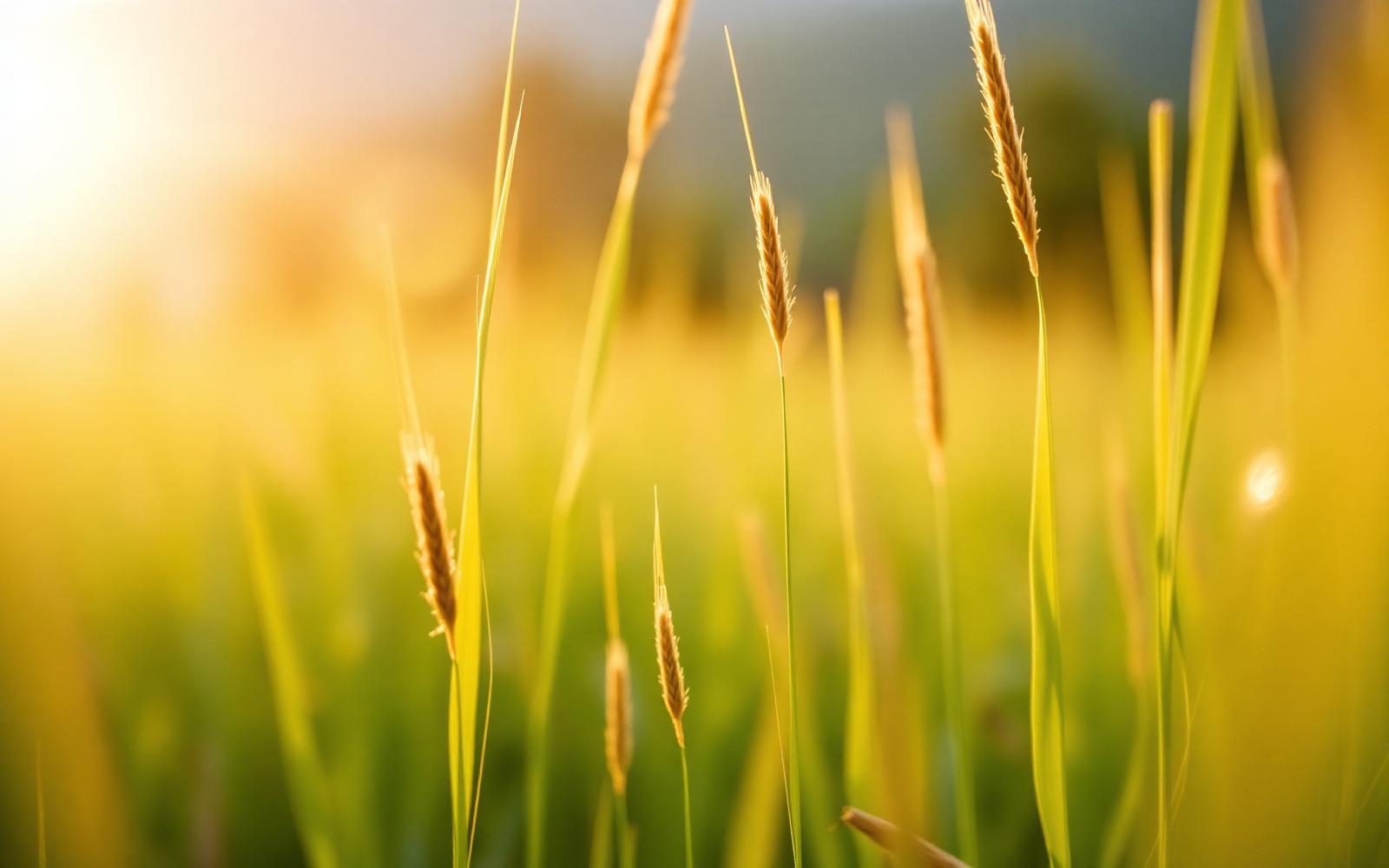
My father read Allan Savory in the mid-nineties and started moving cattle every three days. The grass came back. Then he switched breeds - a South Poll herd that could actually thrive on grass alone in a Virginia summer.
Twenty years of that and the soil is another six inches deep. The creek runs clear. Bobwhites nest in the buffers.
03 · Today
Small on purpose.
We keep the herd at 247 head. We could double it - the demand is there. We don't, because scale is the enemy of the practice. Every steer needs to be watched, moved, weighed. Every acre needs the right rest.
Two of us run the pasture. The third generation is in college studying rangeland ecology. If you visit, you'll probably meet the whole family and the dogs.
In their words
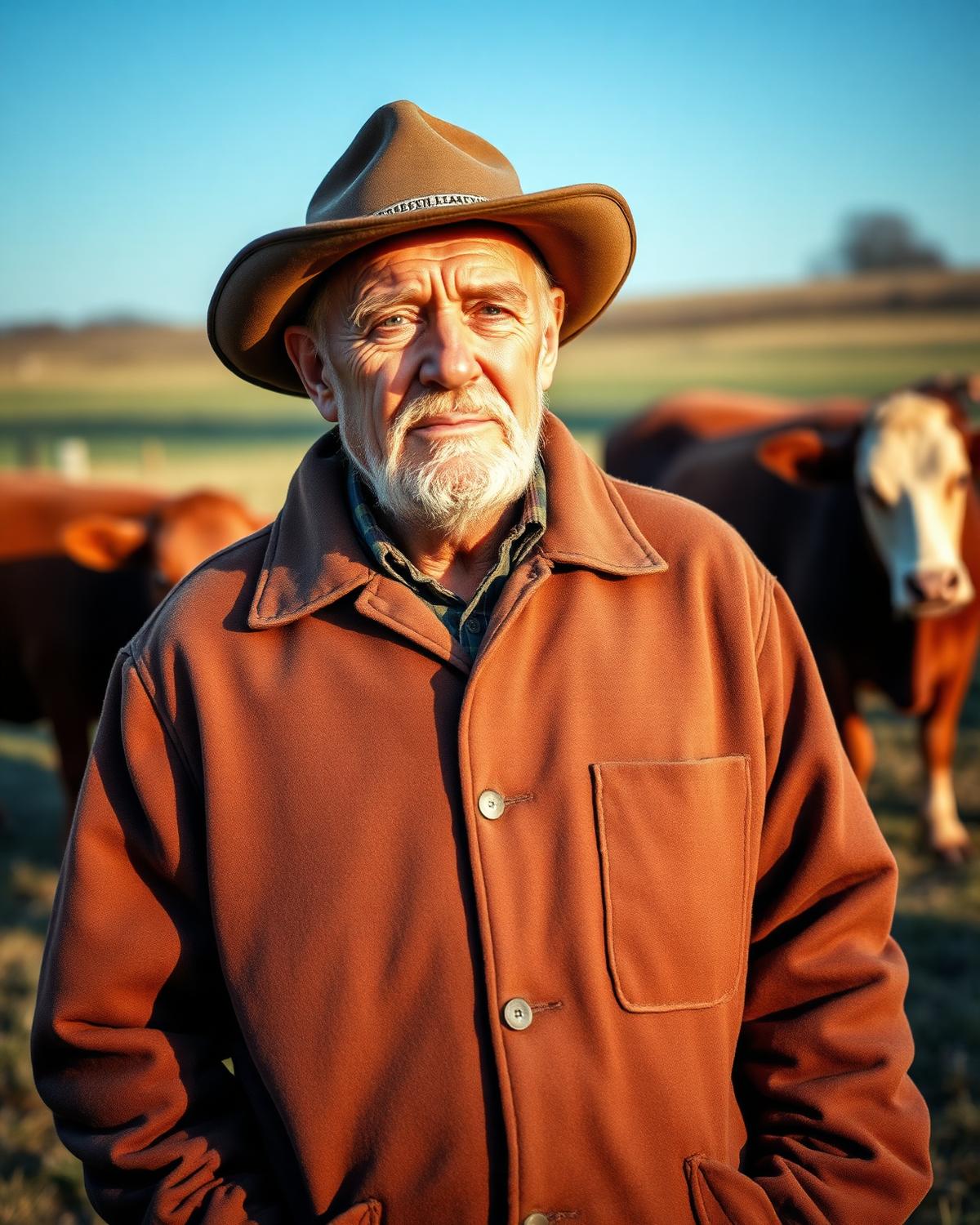
"We are not in the beef business. We are in the grass business, and the beef is how you taste the grass."
Bill Ellett · Second generation · 1948-2019
247
head in the herd
1,140
acres in rotation
6
inches deeper topsoil vs. 1995
0
grain, hormones, antibiotics
Wade & Carter Ellett
Third generation · Blacksburg, VA